




Safety
In our search for a new yacht, safety has always been a major item. Safety is related to many things, such as design of the yacht, on board safety devices, preparation and experience of skipper and crew, regular maintenance and safety checks, and so on.
Basic yacht design and safety
Concerning the safety aspects of the JPK 39 FC we can list the following bullets.
- ISO CE, Category A “Ocean” Certification
- Unsinkable, composite structure,
- Ultra low gravity point, due to 2,7 m bulb keel, carbon mast en 3Di sails,
- Retractable swing keel, solidly fixed and sideways supported in a keel cabinet,
- Fast cruising and therefore more able to run for bad weather systems,
- Double rudders, good steering under heel and in strong winds,
- Watertight bulkhead in front of the rudderstocks,
- 360 degrees view from indoors, good view on mast and sails,
- Easy reefing from the cockpit.


Inventory and safety at the day of launching
The onboard safety items at the day of launching were,
- VHF,
- AIS,
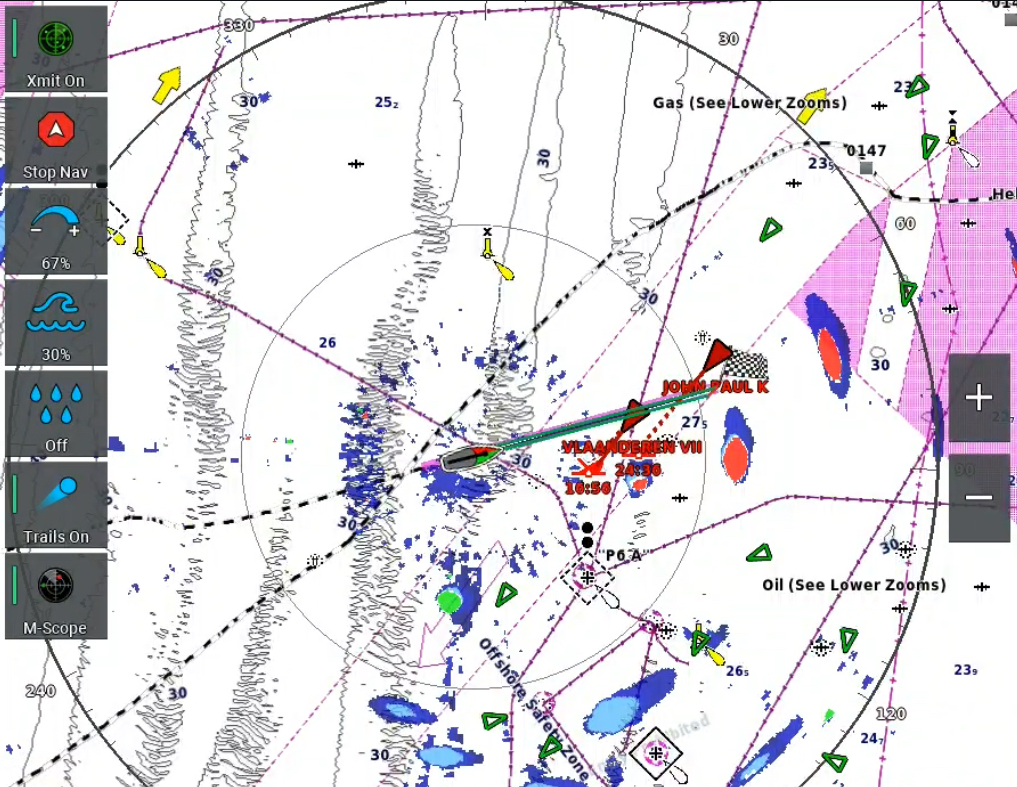
- Radar with MARPA,
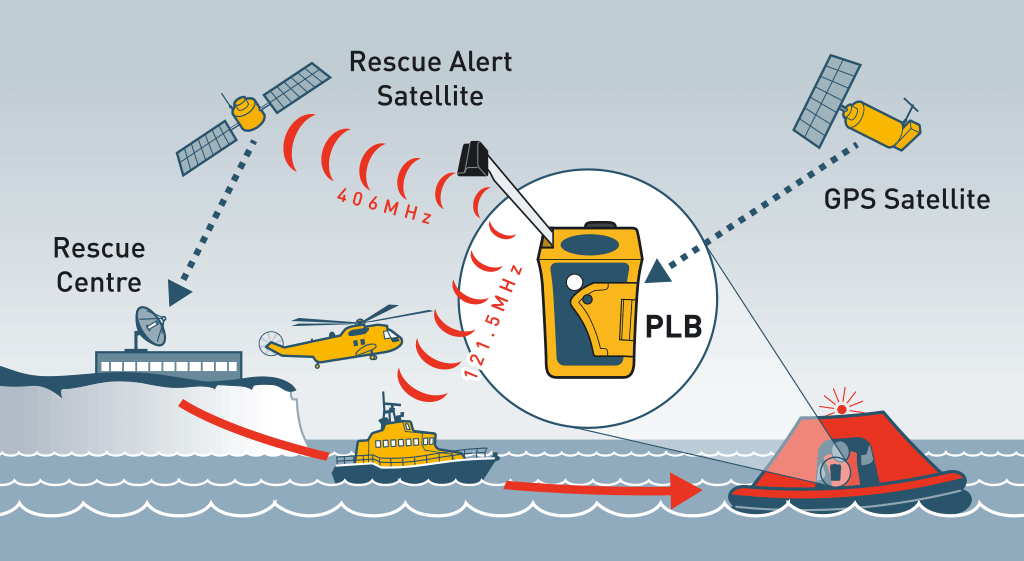
- Epirb with AIS,
- NKE Autopilot,
- Plotter inside and outside,
- Weather routing software,
- Liferaft 6 persons, 2024 tested with appropiate SOLAS approval,
- Lifejackets with integrated PLB+AIS for 6 persons, tested and approved 2024,
- Jackstays, lifelines,
- Digital and paper drawings 2024,
- Compasses and hand compasses,
- Lifesling,
- Danbouy,
- Professional mast climbing set,
- Fire extinguisher, fire blanket,
- Pyrotechnics: waterproof torches 3 pcs, rockets 3 pcs and smokepots 2 pcs
- Two bilgepumps, one 12V, one manual,
- Medicine emergency kit,
- Diesel generator,
- Hydrogenerator,
- Electrical hand torches,
- Mist horn,
- Grab bag.
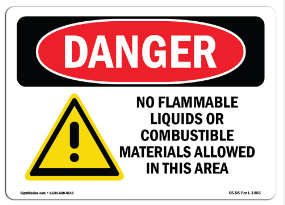
Our yachts is not equiped with gas bottles, nor with petrol tanks since we use a induction cooker and an electrical outboard.

Safety legislation
While fastcruising.yachts will charter under the Dutch flag, Dutch legislation, which is largely derived from international regulation, will apply to it.
The Dutch Shipping Act, the Shipping Decree 2004 and the Seagoing Vessels Safety Regulation also contain regulations for smaller vessels up to 12m, which carry a maximum of 12 passengers and which are used commercially at sea. For example, it is stipulated that these vessels must have a sea certificate. This is issued by the Inspection Human Environment and Transport (ILT). ILT is the supervisory authority of the Dutch Ministry of Infrastructure and Water Management.
Before ILT issues a sea certificate, the vessel must be in possession of a special tonnage certificate for commercial vessels, as described in the Tonnage Certificates Act.
A pleasure craft – tonnage certificate is insufficient for commercial purposes.
Register Holland Classebureau Zeevaart (RHC)
Fastcruising.yachts contacted Register Holland Classebureau Zeevaart (RHC) to draw up this special tonnage certificate (STC). They are one of the institutions which are appointed by ILT to do so. The STC may only be issued to classified vessels (article 4 of the decree mandate and authorisation certification seagoing vessels 2012 paragraph 3). It is necessary that our ship first receives a (RHC) Class Certificate before the STC can be drawn up.
27th January 2025:
Our ship has been measured, a Preliminary STC has been written and the Final STC is currently pending.
Orange rules
RHC has addressed class rules for ships smaller than 12m, that carry a maximum of 12 passengers and that are used commercially at sea. These class rules are based on a draft legislation from 1998, and within RHC they are further known as the ‘Orange Rules’.
The standard Orange rules apply to the following area:
- Latitudes between 43° North (Finisterre) to 70° North (Northern Norway),
- Longitudes between 15° West (~5° West of Cape Finisterre) to 30° East (St. Petersburg).
Because we plan to travel further, additional rules apply.
Advice after the class rules survey
The first RHC class rules survey took place in December and their advice regarding the class rules has been received.
For us this means, among other things:
• additional GMDSS systems such as a secondary MED approved VHF, an Iridium 3100 LT satellite communication system for global coverage, SART and a NAVTEX MF text receipt device for meteo and maritime warnings.
• adding one dedicated spare emergency battery in a dry place for the above mentioned GMDSS communication systems,
• additional measures regarding fire safety,
• watertight shutters in important bulkhead pasasages for ventilation and heating,
• additional safety and rescue equipment, including a secondary life raft,
• additional capacity of bilge pumps and adjustment of hose types,
• recording the procedures regarding safety and waste,
• improving the drawings for the electrical and communication systems,
• drawing and labeling the critical hull passages and connected tubing,
• addition on the current medicine chest content.
GMDSS and the things we miss
The Global Maritime Distress and Safety System (GMDSS) is a worldwide system for automated emergency signal communication for ships at sea developed by the United Nations’ International Maritime Organization (IMO) as part of the SOLAS Convention.
Latest technologies such as Starlink or Iridium Exec are not part of this since they don’t have dedicated GMDSS functionality. It seems a little bit odd as the subscribed Navtex system, which looks like an outdated radio MF texting device, still is part of the GMDSS.
Things we added in our safety inventory are,
- Storm jib and try sail,
- Fourth reef in the mainsail
- Watermaker,
- Helmets,
- Starlink Internet,
- Stanchion netting.
On the list to be added
- Storm drogue,
- Storm communication kit,

The skippers
More info about the skippers
